Kitchen
| Salt type | Measure by spoon |
|---|
Salt percentages that work
| Use | Salt % | Time |
|---|---|---|
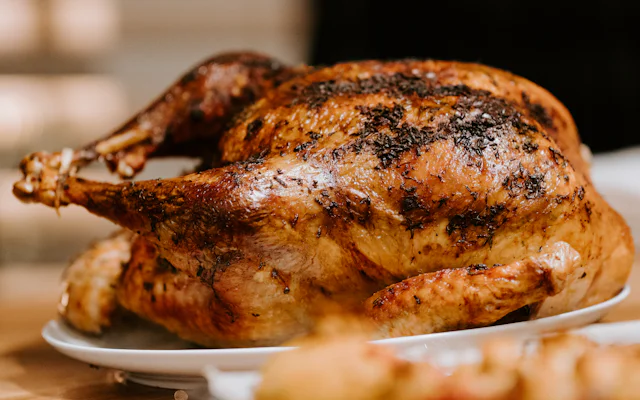
| Whole chicken or turkey (wet brine) | 5–6% | Chicken 4–12 h, turkey 12–24 h |
| Pork chops, chicken pieces | 5–6% | 1–4 hours |
| Equilibrium brine for meat | 1.5–2% | 1–3 days |
| Quick fridge pickles | 3–5% | 1+ days |
| Sauerkraut, kimchi, fermented veg | 2–3% | 1–4 weeks at room temperature |
Why the type of salt matters
A tablespoon of table salt weighs about 18 g. The same spoon of Diamond Crystal kosher salt holds about 9 g because its flaky crystals don't pack. Measuring a brine by the spoon without knowing the brand can leave it twice as salty or half as salty as intended. Weighing removes the guesswork, and the table in the calculator converts the weight into spoons for whichever salt you own.
Brining gear
A food-safe brining bucket with a lid makes big birds manageable; fermentation weights keep vegetables under the brine. See brining buckets →
As an Amazon Associate, KitchenArithmetic earns from qualifying purchases. This costs you nothing extra.
FAQ
Why measure salt by weight for brines?
Salt crystals vary in size. A tablespoon of table salt weighs about twice as much as a tablespoon of Diamond Crystal kosher salt, so measuring by spoon can double or halve the saltiness.
What is equilibrium brining?
You weigh the food and the water together and add salt as a percentage of the total. Given enough time, everything evens out to that salt level, so it's impossible to over-salt.
Can I reuse brine?
Don't reuse brine that held raw meat. Pickle and ferment brines can be used to season food, but start new ferments with fresh brine.